In Switchback VR, the game watches your eyes. Blink or look away, and enemies use that split second to move closer.
Nobody sees the code behind that rule, yet it makes the scare work. Unreal Engine game development gives studios the tools for moments like this, but the engine does not produce fear by itself. Design, art, and engineering have to point the same way. N-iX Games has worked on horror titles such as The Dark Pictures Anthology and Little Nightmares III.
In this article, we will share some insights about the intricacies of horror game development.
What makes horror game development different from other genres
Horror runs on the same foundations as any genre, with one difference. The player is meant to feel vulnerable. Three ideas show up in nearly every source we trust.
1. Build the core loop first
Game Developer contributor Jared Mitchell points out that no mechanic is horror by nature. Hiding, opening a door, or solving a puzzle becomes frightening only when level design gives it context. Many weak horror games skip the game underneath. Every well-built gameplay loop is also a place to hide a scare.
2. Limit the player’s power
Game design author Josh Bycer explains the balance. In F.E.A.R. and Doom, the player is the strongest thing on screen, so no ghost or demon changes the mood. In Amnesia and Outlast, players eventually see how little they can do. Alien: Isolation finds the middle with a xenomorph that cannot be killed, which forces the player to defend instead of fight.
Narrative designer Michel Sabbagh adds a practical rule: powerful tools make players dependent and break the sense of vulnerability, so every tool should carry limits.
3. Earn trust, then break it
Indie developer Mason Smith, in his GDC talk on the horror game FAITH, advises finding the spaces the player considers safe and invading them. In FAITH, a single “tree demon” moves suddenly when the player enters one stretch of forest. Because it is the only one of its kind, every other tree becomes suspect. A safe room or a quiet corridor teaches the player a rule. The best scares break it.
How do you design tension, jump scares, and chase sequences?
Tension comes from a shrinking resource, a jump scare from an interrupted routine, and a chase from a threat the player already understands.
Tension is the pressure a player feels when something they need is running out, such as time, space, or ammo. The flooded cellar in Amnesia: The Dark Descent is the textbook case. An invisible monster attacks only in the water, so the player hops between crates. A lever on a timer holds a gate open, and a clinking sound warns that it is closing. Releasing tension matters as much as building it, through a safe zone, a new kind of enemy, or a broken rule.
A jump scare works best when it lands while the player is busy. It is a sudden event that interrupts a gameplay loop at peak mental load, or denies an expected reward. In Outlast, a narrow gap is harmless the first time and deadly the second. The trick fails on repeat, because players learn the pattern and brace for it. One or two scares per mechanic is the ceiling.
A chase only works if the player already knows the monster. Amnesia spends a full level teaching how its water monsters behave before the chase starts. The Cursed Forest, for example, skipped that step, and its chase felt flat. Also, giving the player a task while running helps: Outlast lets players block doors, and Amnesia lets them close doors to stall the pursuer.
Horror level-design techniques and how a team can build them in Unreal Engine
| Technique | Design logic | Typical Unreal Engine approach |
|---|---|---|
| Resource pressure | Fear grows when time, space, or supplies run low | Stamina, ammo or battery systems in Blueprints or C++; Epic’s Survival Horror template variant includes a sprint stamina bar |
| Timed scare | Land the event while the player is busy with a task | Trigger volumes and Blueprint events tied to puzzle or door progress |
| Readable enemy | Teach the threat before the chase | Behavior Trees, State Trees and Environment Queries for enemy AI |
Unreal Engine game development for horror: lighting, sound and AI
Lighting, audio and enemy behavior shape the mood of a horror game, and Unreal Engine gives teams a solid start on each.
Lighting and detail
Epic’s First Person template includes a Survival Horror variant: a dark level with lights in different colors that set the tone and guide the player, automatic doors, and a sprint limited by a stamina bar. In a shipped game, lighting must also keep up as doors open and walls fall.
Our UE5 Lumen guide explains how Lumen handles that without lighting rebuilds. We also talked about Nanite, which lets artists bring detailed sculpts and scans into a scene without decimation and baking.
Sound and imagination
Dead Space 2 creative director Wright Bagwell called it one of the toughest things to achieve in a game: letting players imagine more than is really there. Sounds that suggest creatures in the room, when nothing is physically present, are among the best ways to do it.
The budget logic is simple too. A ten-hour game needs ten hours of content, and every enemy takes time to concept, animate and give AI. Suggestion costs less than a model.
BioShock‘s Ken Levine took the idea into level scripting. Some of his team wanted to lock the player in place so nobody would miss a scare. He refused, because a glimpse at the edge of vision frightens more than a monster standing in front of the player. Missing information is horror’s ally.
Enemy AI the player can read
Epic’s template builds its enemies with State Trees, Environment Queries, and Behavior Trees. Whichever tool a team picks, players must be able to learn the enemy’s behavior.
Art creation for horror: props, creatures and environments
Art tells the player where they are and what happened there before an enemy appears.
A strong horror setting stays consistent in tone yet unpredictable, so players never treat it as wallpaper. One analysis of horror settings points to the Zone in S.T.A.L.K.E.R., where distant howls and grainy filters near radiated areas keep the unease constant. It also praises Crow Country, whose short collectible notes hint at what went wrong in an abandoned theme park. They give players a reason to explore.
Environmental storytelling works best when it stays ambiguous. Peter Howell, in his postmortem of Amnesia: A Machine for Pigs, calls the environment a cue to thought rather than a closed story. Players fill the gaps with something worse than the game could show.
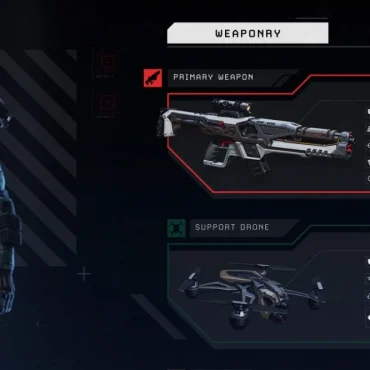
On Switchback VR, our artists modeled the full weapon set, including the shotgun, pistols, grenade launcher, and soul gun. They also made enemy models and props, such as player seats and destructible objects that grant weapon buffs. Each asset kept the series’ dark tone. On After the Fall, they built props marked by age and cold for an ice-covered Los Angeles.
Practical points:
- Give every prop wear and history. A snow-covered lamp tells part of the story.
- Hold one tone across weapons, props, and creatures so nothing looks imported.
- Leave detail out where the player’s imagination can do the work.
How does VR change horror game development?
In VR, the player stands inside the scene, so headset and controller features become part of the scare design.
The Dark Pictures: Switchback VR was a PlayStation VR2 launch title built as a rollercoaster horror shooter. Our Unreal Engine game development work covered every main mechanic and the hardware features. Eye tracking made enemies close in when players blinked, and one room full of mannequins moves only when you close your eyes. Haptics mimicked the ride’s bumps and turns. Adaptive triggers gave each weapon its own resistance, and the headset gave physical feedback when a creature lunged.
Game Director Alejandro Arqué Gallardo stressed that developers are not obliged to use these features, so each must earn its place in the scare.
N-iX Games’ experience in creating horror games
Our horror work mostly centers on Unreal Engine and a partnership with Supermassive Games that began in 2021.
Remothered: Broken Porcelain
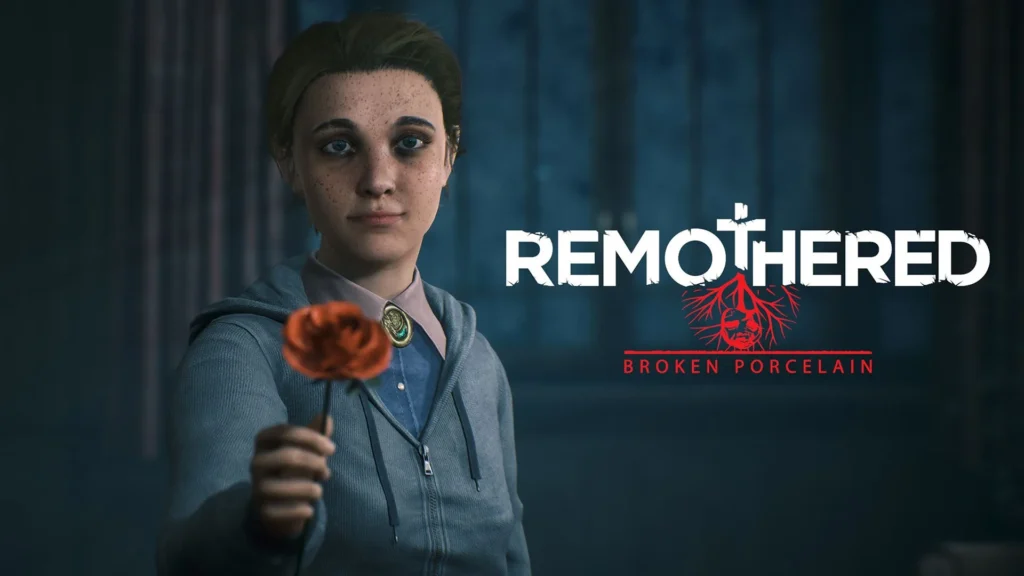
A psychological horror game set in the Ashmann Inn, released in October 2020 as both a prequel and a sequel to Remothered: Tormented Fathers.
Client: Stormind Games
Our work: Post-production support in Unreal Engine: codebase review, bug fixes, performance optimization, and technical consulting.
The Dark Pictures Anthology: House of Ashes
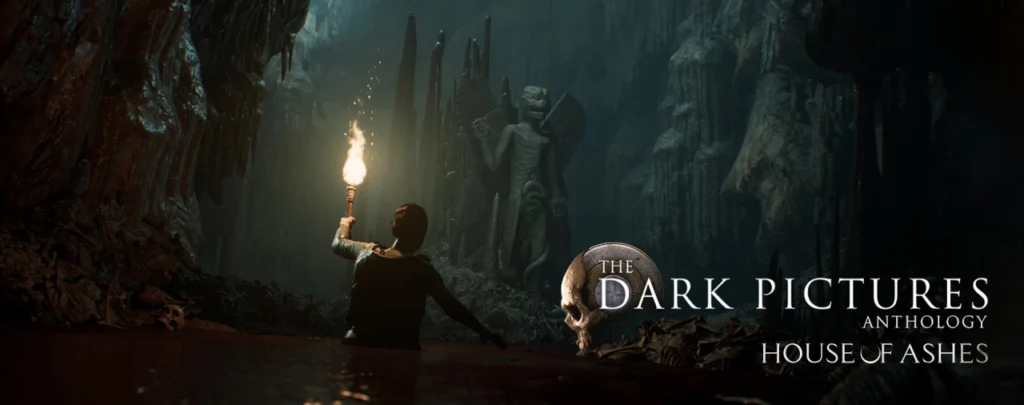
The third game in the series, released on 22 October 2021. Soldiers in 2003 Iraq fall into a buried Sumerian temple, and player choices decide who survives.
Client: Supermassive Games
Our work: Unreal Engine programming of gameplay systems and core mechanics, with scripting for the branching narrative and quick-time events.
The Dark Pictures Anthology: The Devil in Me
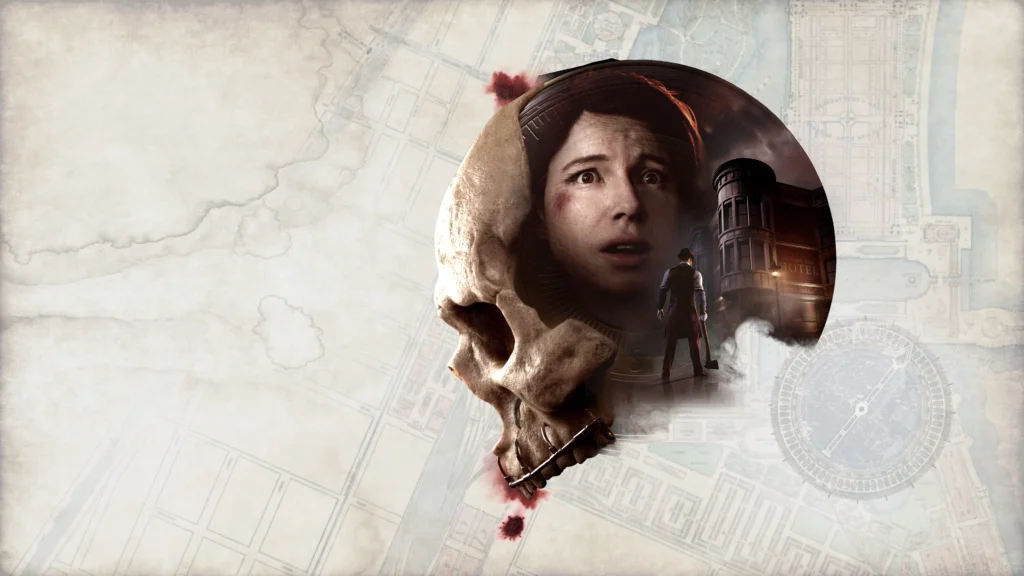
The fourth game and Season One finale, released on 18 November 2022. A documentary crew is invited to a replica of H.H. Holmes’ “Murder Castle”.
Client: Supermassive Games
Our work: Unreal Engine programming from early production: locomotion, puzzles, animation, inventory, quick-time events and diorama interactions, plus an automated playthrough bot for QA.
The Dark Pictures: Switchback VR
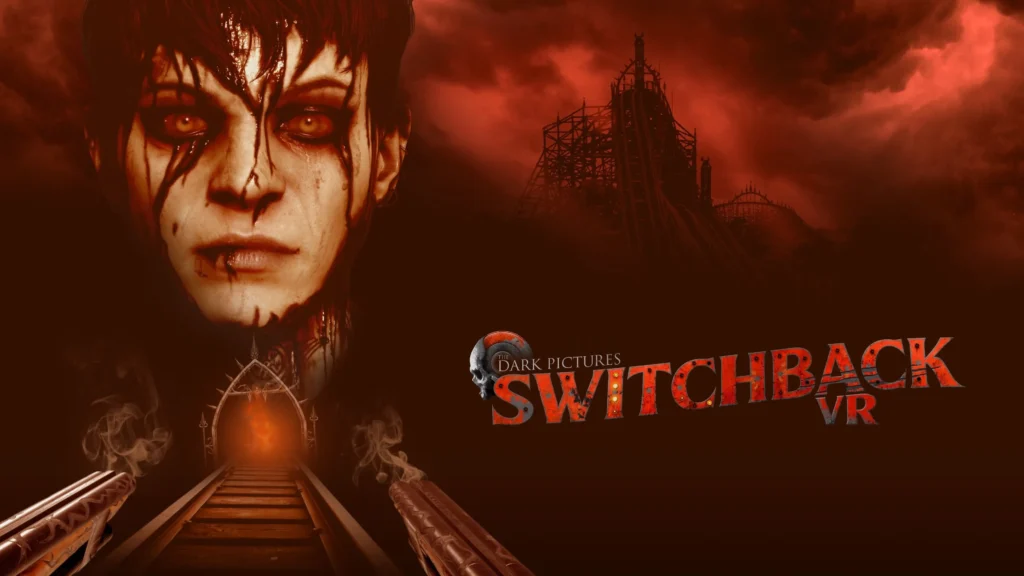
A rollercoaster horror shooter for PlayStation VR2, launched on 16 March 2023, featuring antagonists from Season One of the Anthology.
Client: Supermassive Games
Our work: Unreal Engine programming of every main mechanic and the PS VR2 features, plus level design and 3D art for weapons, enemies, and props.
Little Nightmares III
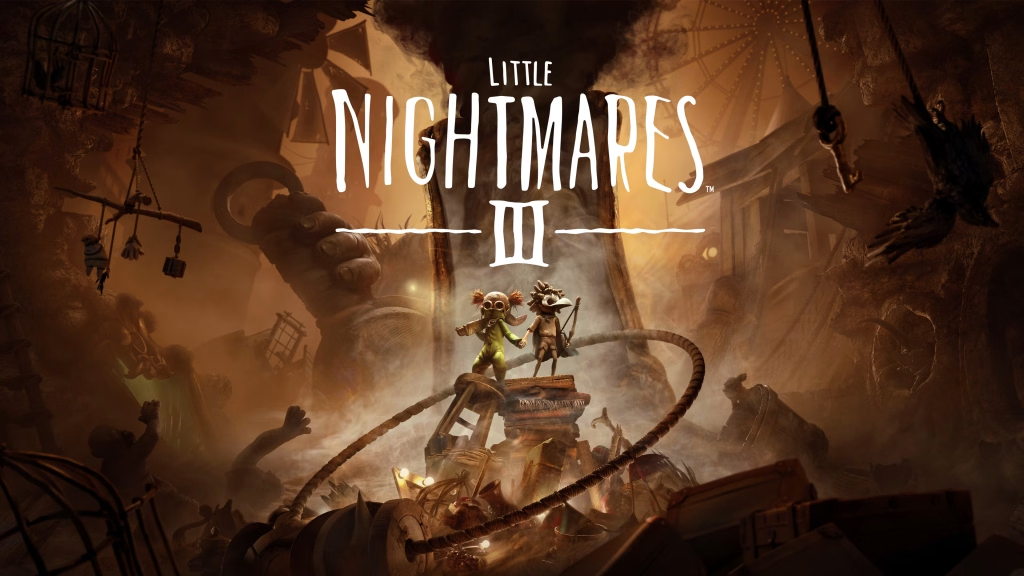
A puzzle-platform horror adventure released on 10 October 2025, played in online co-op or solo with an AI partner.
Client: Supermassive Games
Our work: Core gameplay systems in Unreal Engine: mechanics carried over from earlier games, new mechanics, and co-op replication.
After the Fall
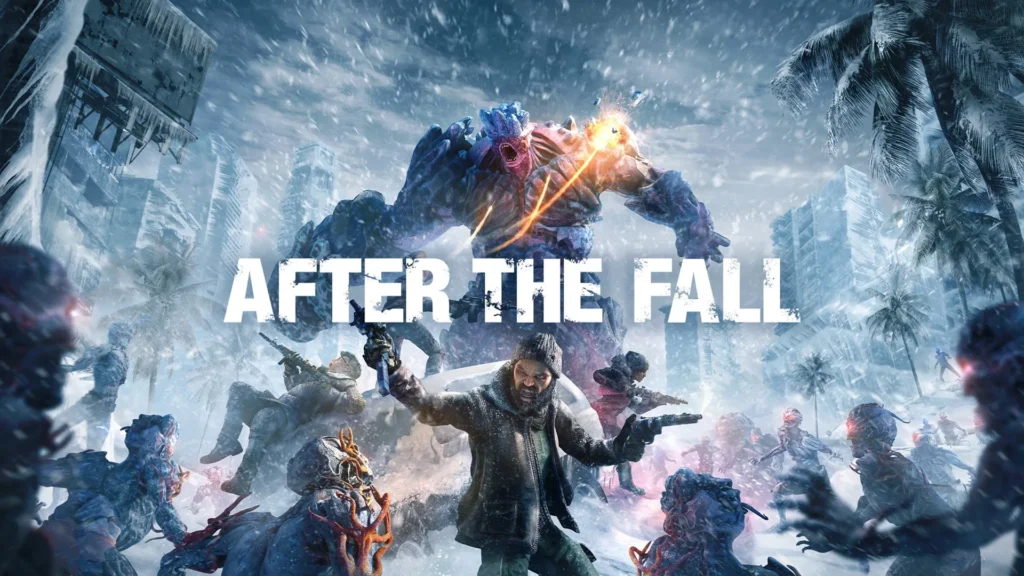
A post-apocalyptic VR co-op shooter set in ice-covered 1980s Los Angeles, with hordes of undead.
Client: Vertigo Games
Our work: 3D art production of aged, snow-covered environment props.
Unreal Engine game development services for horror projects
We develop horror games on Unreal Engine for clients, including VR titles and the art that carries the mood. Engineers, artists, designers, and QA specialists work as one team. A studio can hand over a single system or the whole game and have us as a co-development or full-cycle development partner.
Bring us your horror idea, and we will help scope it!
Horror game development FAQ
1. Is Unreal Engine good for horror games?
Yes. Epic ships a Survival Horror variant in its First Person template, and shipped horror games such as Remothered: Broken Porcelain were built on Unreal Engine 4. Dynamic lighting, detailed assets, and flexible AI tools suit the genre well.
2. Can you build VR horror in Unreal Engine?
Yes. Switchback VR launched on PlayStation VR2 with Unreal Engine programming from our team, covering eye tracking, haptics, adaptive triggers, and headset feedback.
3. What does a horror game need beyond scares?
A solid core loop, varied pacing and stable technology. Long horror games run out of steam once players have seen every trick, so alternating quiet dread with bursts of terror keeps them guessing. Bugs break immersion fast.
4. Can an outsourcing partner handle art and programming for a horror game?
Yes. For example, on Switchback VR, we at N-iX Games delivered Unreal Engine programming, level design, and 3D art for Supermassive Games. We have worked with the studio since 2021.