Game monetization is not just a business decision, but also a game design decision, a marketing strategy, and increasingly, a trust exercise between developers and players.
Players are more informed now. They recognize patterns, question pricing, and push back against systems that feel unfair or manipulative. At the same time, development costs are rising, competition is tighter, and studios are under pressure to build sustainable revenue streams.
The industry is now converging around a set of proven approaches. Some are evolving, some are being rebalanced, and some are quietly fading out. In this article, we break down the most relevant video game monetization models used in PC and console games today. For each, we look at how it works, how players perceive it, and what recent examples tell us about its real-world performance.
Premium
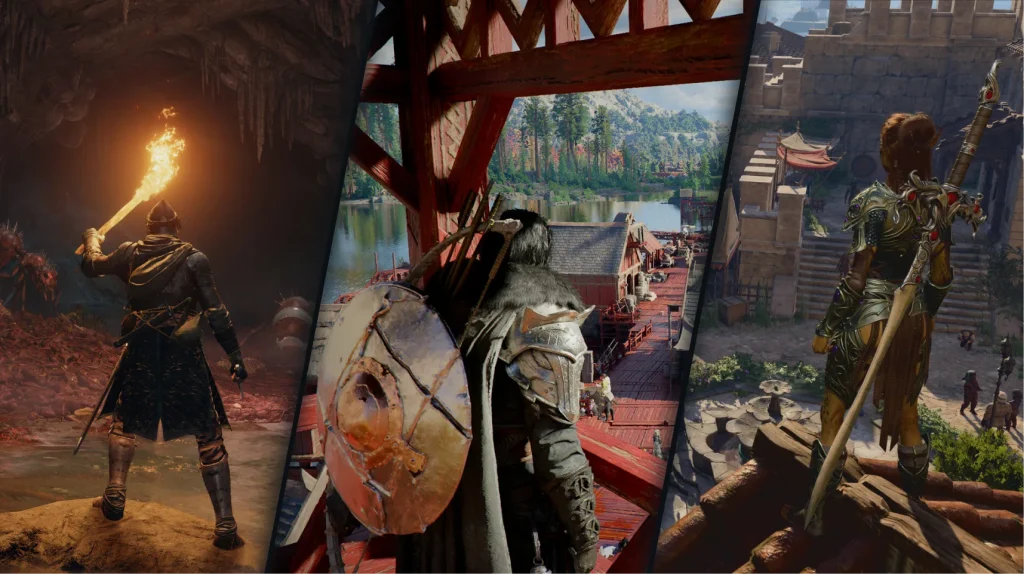
The premium model, often called buy-to-play, is the classic approach where a one-time purchase gives you the full experience. While many AAA studios have moved toward hybrid structures, a big chunk of the market is returning to pure premium as a way to stand out. This one and done style is a refreshing change in an industry often obsessed with “forever games.”
Current perception & efficiency
Players currently view the premium model as a clean and honest alternative. In an era of monetization fatigue, the absence of in-game shops has become a powerful marketing tool. It is especially effective for games where immersion is the whole point.
However, the efficiency of this model is a bit of a gamble. With modern budgets often crossing the $200 million mark, relying solely on launch sales is risky. This is why many video game monetization models are moving toward a mix of strategies and often offer multiple editions. Deluxe or Ultimate editions may include early access, soundtracks, art books, or future expansions. This approach is generally accepted by players because it is optional and often provides clear value without affecting gameplay balance. In turn, the layered pricing allows developers to increase revenue per player without introducing intrusive systems.
The premium monetization model remains highly effective, especially for event games. These are highly anticipated releases that generate massive attention before launch and concentrate sales in a short period. If a game is high-quality, it can recoup years of development costs in just a few days.
Examples
- Elden Ring: In 2022, it became an ultimate proof that the premium model still works. By focusing on a core experience with no microtransactions, FromSoftware achieved massive success.
- Baldur’s Gate 3: Larian Studios later reinforced this, and their game became a cultural phenomenon.
- Crimson Desert: Pearl Abyss explicitly stated there is no in-game shop and no pay-to-win elements. The premium status became a core part of the game’s brand. By positioning the $69.99 price as the “full stop,” they were aiming to win over players who are tired of being constantly upsold after purchase.
DLC and expansions
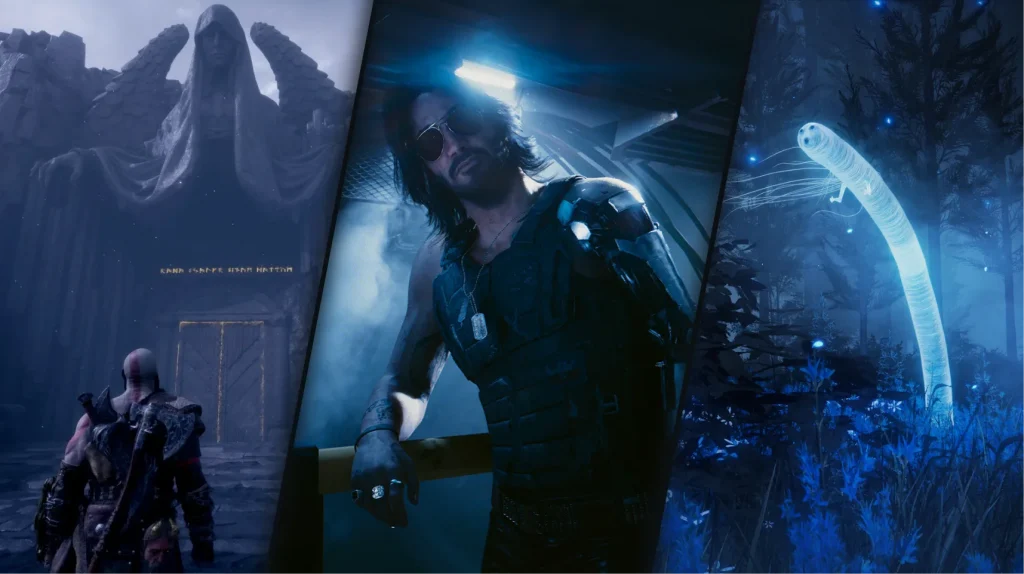
DLC and story expansions are the main ways to keep a premium game alive and profitable for years. Unlike small cosmetic buys, these are meaty additions to the story, mechanics, and world. This approach is usually a hit with players when it feels like a real bonus instead of content that was cut from the start to be sold later.
Current perception & efficiency
Most people see expansions as the most ethical way to handle game monetization because the value proposition is very clear. You pay a set price for a set amount of gameplay.
For developers, this is a highly efficient move and is becoming a cornerstone of modern game monetization models. It allows studios to build on a foundation they have already spent years creating. Since the technology and core assets are already in place, profit margins are often significantly higher than for the base game.
A strong expansion can also function as a second launch. It brings the game back into the spotlight, renews player interest, and drives new sales of the original release.
We are seeing a real trend toward “Expansion-as-a-Service” where these big updates reinvigorate games. Expansions now account for about 14% of total PC gaming spend. This number is likely to grow as studios realize that deep content updates reduce the financial risk of launching entirely new IPs.
Examples
- Cyberpunk 2077: Phantom Liberty: This expansion basically saved the franchise. It showed that a massive, high-quality update can fix a reputation and bring in huge revenue years after a rocky start.
- Elden Ring: Shadow of the Erdtree: This release set records for concurrent players. It proved that a premium-priced expansion can be just as big of a deal as a full game launch if the scale is sufficient to justify the price.
Cosmetic microtransactions
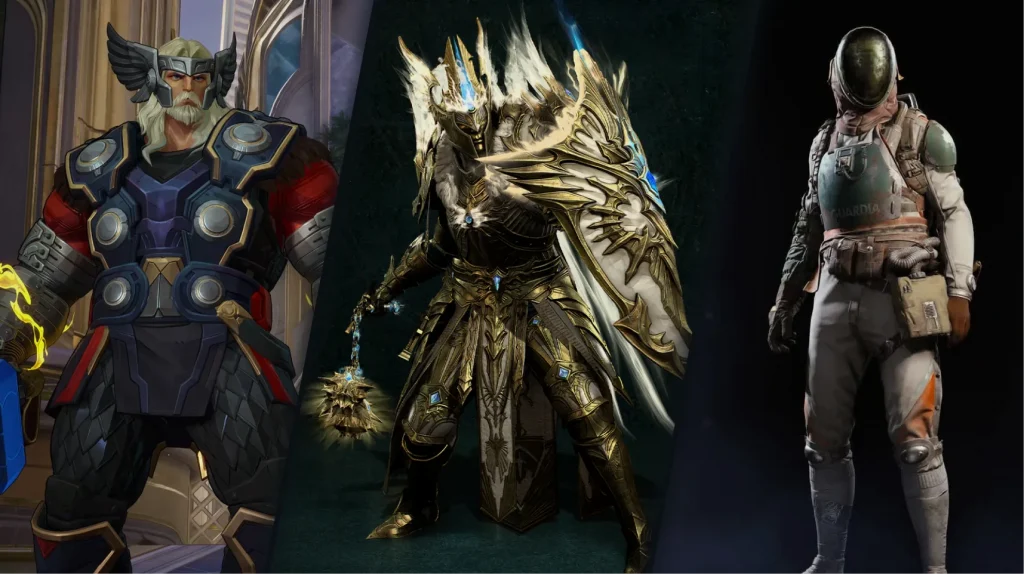
Cosmetic microtransactions are items like character skins, weapon wraps, and emotes that don’t change how the game plays but definitely change how you feel playing it. They are the heavy hitters of revenue in the PC and console markets.
Back in 2024, these extras made up a staggering 58% of all PC gaming spend. The model works because it taps into our basic need for self-expression. Most of the industry has smartened up and moved away from “pay-to-win” tricks because players hate them and regulators are watching. Instead, the focus is now on high-quality, high-priced cosmetic bundles. Even with many complaints about price hikes, this has become a standard way to monetize games today.
Current perception & efficiency
How players feel about these skins depends on the price of admission. In free-to-play hits like Fortnite, expensive outfits are usually accepted as the “cost” of the game being free. But when a $70 premium title tries the same thing, it often sparks a PR firestorm.
The real tension is about value. Players are tired of lazy color swaps but will open their wallets for high-fidelity items with unique animations or particle effects.
From a business side, these items are pure gold. Once you have an effective art pipeline set up, the cost of selling one more skin is basically zero. This efficiency allows a small group of big spenders to fund a game’s development for years. This ecosystem is a major reason why video game monetization on PC often outperforms consoles in terms of sheer margin. It is less about volume and more about offering items that players actually feel proud to show off.
Examples
- Diablo IV: A clear example of how cosmetic monetization can succeed financially while still creating friction with players. The game generated massive revenue, including over $150 million from its in-game shop within the first year, but the cosmetics were heavily criticized for high prices and perceived value.
- Arc Raiders: Originally planned as a free-to-play title, it shifted to a premium model before launch. Its monetization now focuses on optional cosmetics, which did receive a moderate criticism, but the overall model was accepted.
- Marvel Rivals: As a free-to-play title, it avoided selling characters or gameplay advantages, focusing purely on high-quality cosmetics. (Honestly, the devs had it easier here, with decades of comics and spin-offs to pull from)
Battle pass
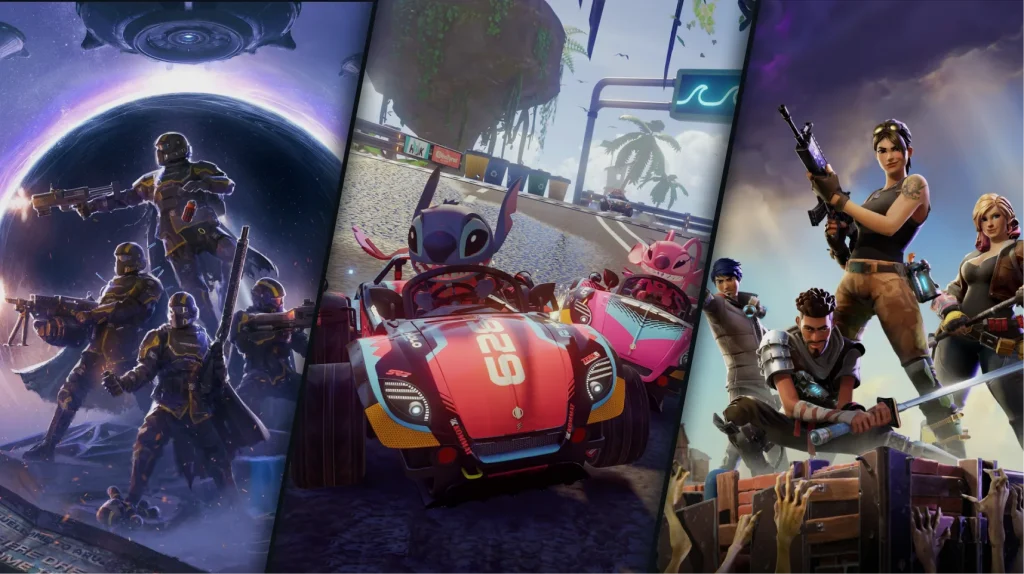
The battle pass is a progression system where players unlock rewards by playing the game during a specific timeframe. It usually offers a free track and a paid tier with more desirable items.
This approach is a core part of modern game monetization models because it gives players a clear goal to work toward over a certain period. Unlike a direct store purchase, it also requires time investment.
Current perception & efficiency
From a developer’s view, these systems are effective because they turn occasional players into daily users. However, while it keeps communities active, the market is currently saturated. Players are increasingly picky about which passes they commit to because they simply cannot finish all of them. This has forced a shift toward designs that value player retention over immediate pressure. Studios are realizing that if they demand too much focus, players often walk away entirely.
Successful gaming monetization now relies on being reasonable. People are tired of feeling like they are falling behind if they take a short break. Studios are finding that more generous systems, such as those without expiration dates, lead to better long-term revenue. It is about building a relationship where the player feels rewarded for their time, not punished for having a life outside the game.
Examples
- Helldivers 2: This title popularized non-expiring “Warbonds.” Players can also find the premium currency during normal missions, which builds immense trust. It proved that a fair model can be profitable without using FOMO.
- Disney Speedstorm: Here, on the contrary, after making the battle pass harder to earn without spending real money, the game saw a massive wave of negative reviews.
Early access
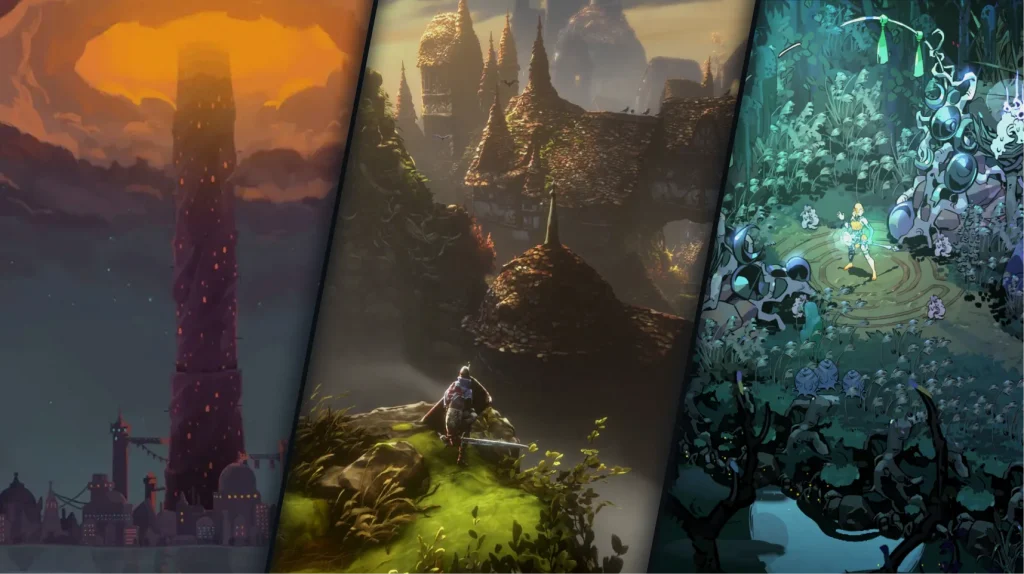
Early Access has become a standard part of modern game monetization on PC. Instead of waiting for a full release, developers sell access during production. Players get an unfinished but playable version, while studios gain funding and real player data early in development.
This model is especially common among indie and AA teams that cannot rely on large upfront investment. It reduces financial pressure and shortens the gap between development and revenue. On platforms like Steam, Early Access is no longer niche. It is an expected part of the ecosystem.
From a broader perspective, Early Access sits at the intersection of development and video game monetization models. It is not just about funding. It is also about shaping the product with a live audience.
Current perception & efficiency
The model works when expectations are clear and progress is visible. Games that provide regular updates, roadmaps, and measurable improvements tend to maintain player support over long periods.
From a business standpoint, Early Access is highly efficient. It allows studios to validate demand before full launch, reducing the risk of investing years into a product that does not find an audience. It also provides early signals about retention, pricing tolerance, and potential monetization paths.
However, the model has limits. A significant percentage of Early Access titles never reach full release. According to industry tracking on Steam, many projects remain in development for years or are quietly abandoned (I’m looking at you, Ashes of Creation). This has made players more selective about which projects they support.

There is also increasing scrutiny around pricing. Some studios charge near full price for unfinished games, while also offering premium founder tiers. This can create friction, especially if progress slows or scope changes.
Examples
- Slay the Spire 2: The game is one of the clearest success cases. It launched in Early Access with a strong core loop and sold millions of copies quickly. The game proved that players accept unfinished content if the foundation is solid and pricing feels fair.
- No Rest for the Wicked: This is another success in EA making, where the developers actively share updates and set clear expectations about the game’s direction. Director Thomas Mahler publicly stated that if the studio ever adds microtransactions or a battle pass, players can “kick him in the balls.”
- Hades II: Supergiant Games launched with a content-rich build that already felt close to a full experience. Instead of using Early Access just for funding, the studio used it to fine-tune balance, progression, and long-term design. Strong initial sales and positive reception shows how trust and quality reduce friction in game monetization during development.
Where monetization is heading
The industry is not moving toward entirely new game monetization models. It is refining the ones that already exist. Studios are reacting to player behavior, rising costs, and increasing scrutiny around monetization practices.
Aggressive tactics that prioritize short-term revenue are becoming less effective. Players are more selective about where they spend time and money. At the same time, development costs continue to grow, which puts pressure on studios to find sustainable revenue without damaging player trust.
This is where the idea of trust becomes central to game monetization. It directly impacts conversion, retention, and long-term revenue. Games that are perceived as fair tend to keep players longer and monetize more consistently over time.
Several clear patterns are emerging:
- Cosmetic-first monetization is becoming the standard in live games
- Battle passes are shifting toward more flexible, less time-restricted formats
- Premium games are using “no microtransactions” as a positioning strategy
- Expansions are being treated as major revenue beats, not just add-ons
- Early Access is used to validate both gameplay and monetization before scale
Players are willing to spend, but only when the value is clear and the system feels fair. The most successful games today treat monetization as part of the overall experience, not something layered on top of it. Studios are no longer just selling a product. They are managing a long-term relationship with players.